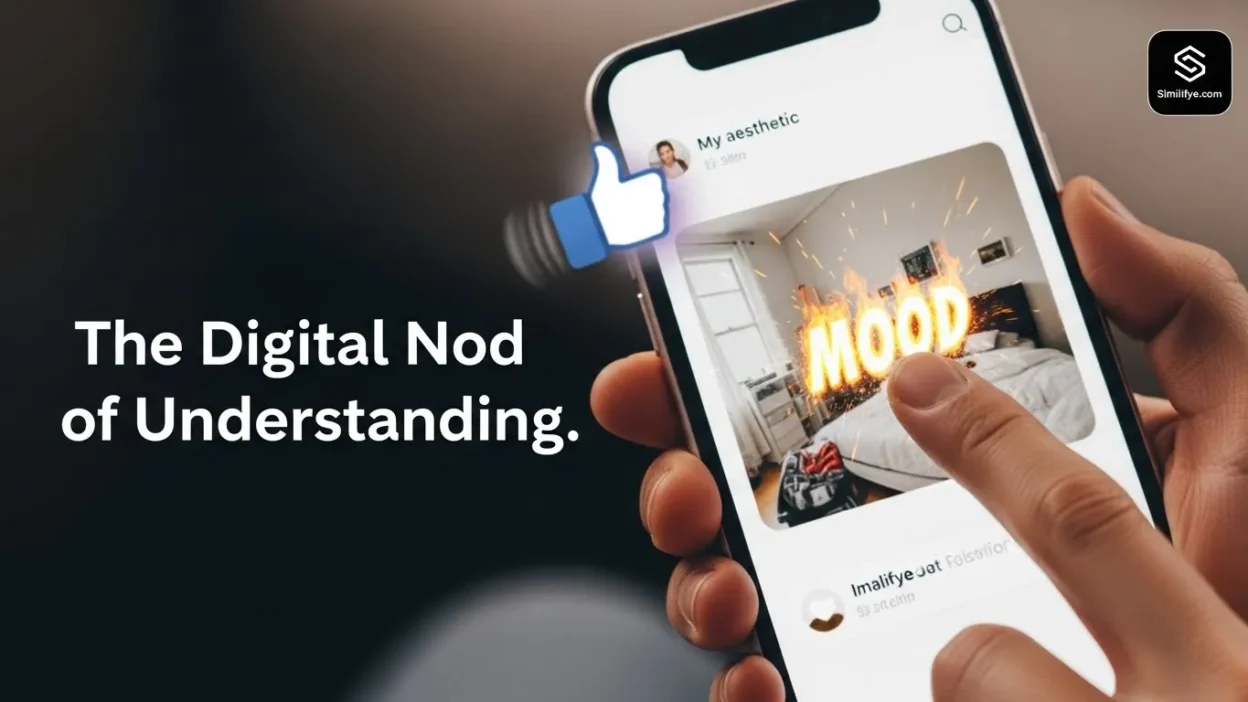
You’re scrolling through TikTok or chatting with a friend when you suddenly see someone reply with just one word: “mood.” No explanation. No emoji. Just mood.
At first, it feels confusing. Are they talking about feelings? Music? Vibes? Or did they forget to finish the sentence?
Don’t worry you’re not alone. This slang pops up everywhere, and once you understand it, you’ll see it all the time.
Quick Answer:
Mood means “I relate to this” or “this perfectly describes how I feel.” It’s a casual, expressive, and relatable way to agree with someone emotionally, especially in texting and social media.
🧠 What Does Mood Mean in Text?
In texting and online slang, mood doesn’t mean an emotional state in the traditional sense. Instead, it’s a reaction word.
When someone says “mood,” they’re saying:
- “Same.”
- “That’s exactly how I feel.”
- “I relate to this 100%.”
It’s often used as a one-word response to show instant emotional agreement.
Example:
In short: Mood = I relate = That’s me right now.
📱 Where Is Mood Commonly Used?
You’ll mostly see mood in casual, social spaces — not formal writing.
Common places it’s used:
- 📱 Text messages
- 👻 Snapchat
- 🎵 TikTok captions & comments
- 📸 Instagram stories
- 🎮 Gaming chats
- 🐦 X (Twitter) replies
Tone check:
- ✔️ Casual
- ✔️ Social-media–friendly
- ❌ Not professional
- ❌ Not formal
Think of mood as a vibe word, not a dictionary definition.
💬 Examples of Mood in Conversation
Here are realistic, everyday chat examples showing how mood is actually used:
Example 1
A: “I wanna be productive but also do nothing all day.”
B: mood 😩
Example 2
A: “Mondays should be illegal.”
B: mood
Example 3
A: “That song makes me feel nostalgic for no reason.”
B: big mood 🖤
Example 4
A: “Why is life so expensive?”
B: mood fr
Example 5
A: posts a meme about being tired
B: mood 😴
Example 6
A: “Social battery at 1%.”
B: mood
Notice how it’s short, emotional, and doesn’t need explanation.
🕓 When to Use and When Not to Use “Mood”
Knowing when to use slang is just as important as knowing what it means.
✅ When to Use “Mood”
- Casual chats with friends
- Reacting to memes or posts
- Expressing shared emotions
- Light, humorous conversations
- Social media comments
❌ When Not to Use “Mood”
- Work emails
- Professional messages
- Serious or emotional situations
- Talking to elders or formal contacts
- Customer service or official chats
📊 Usage Comparison Table
| Context | Example Phrase | Why It Works |
|---|---|---|
| Friend Chat | “no motivation today, mood 😄” | Casual & relatable |
| Work Chat | “Take your time.” | Polite & professional |
| “Please review this when convenient.” | Clear & formal | |
| Social Media | “this weather is depressing. mood.” | Expressive & trendy |
🔄 Similar Slang Words or Alternatives
Here are some slang words similar to mood, depending on context:
| Slang | Meaning | When to Use |
|---|---|---|
| Same | I agree / I relate | Casual chats |
| Relatable | This matches my experience | Comments & posts |
| Big mood | Strong emotional agreement | Emphasis |
| Facts | That’s true | Confident agreement |
| Felt that | I experienced this too | Emotional context |
| This | I fully agree with this | Online replies |
❓ FAQs
Q1: Is “mood” a positive or negative word?
It can be both. It depends on the situation — tired, happy, stressed, excited — all can be a mood.
Q2: Can I use “mood” by itself?
Yes. Most people use it as a one-word reply.
Q3: What does “big mood” mean?
It means stronger agreement — like saying “I REALLY relate.”
Q4: Is “mood” flirty?
Not usually. It’s more relatable than flirty, but tone can change with context.
Q5: Is “mood” okay for professional chats?
No. It’s best kept for casual and social conversations.
Conclusion
So, what does mood mean in text? It’s a simple, modern way to say “I relate to this” or “that’s exactly how I feel.” You’ll mostly see it in casual chats, memes, and social media where emotions are shared quickly and informally.
Once you understand it, using mood feels natural and effortless. There’s no pressure just drop it when something truly matches your vibe. With a little confidence, you’ll fit right into today’s online conversations.

Hey, I’m Julian Crosswell — an SEO expert and data-driven content strategist.
I believe great SEO starts with understanding human behavior and creating content that truly connects.
Through Similifye.com, I combine creativity, analytics, and storytelling to help readers build trust online.