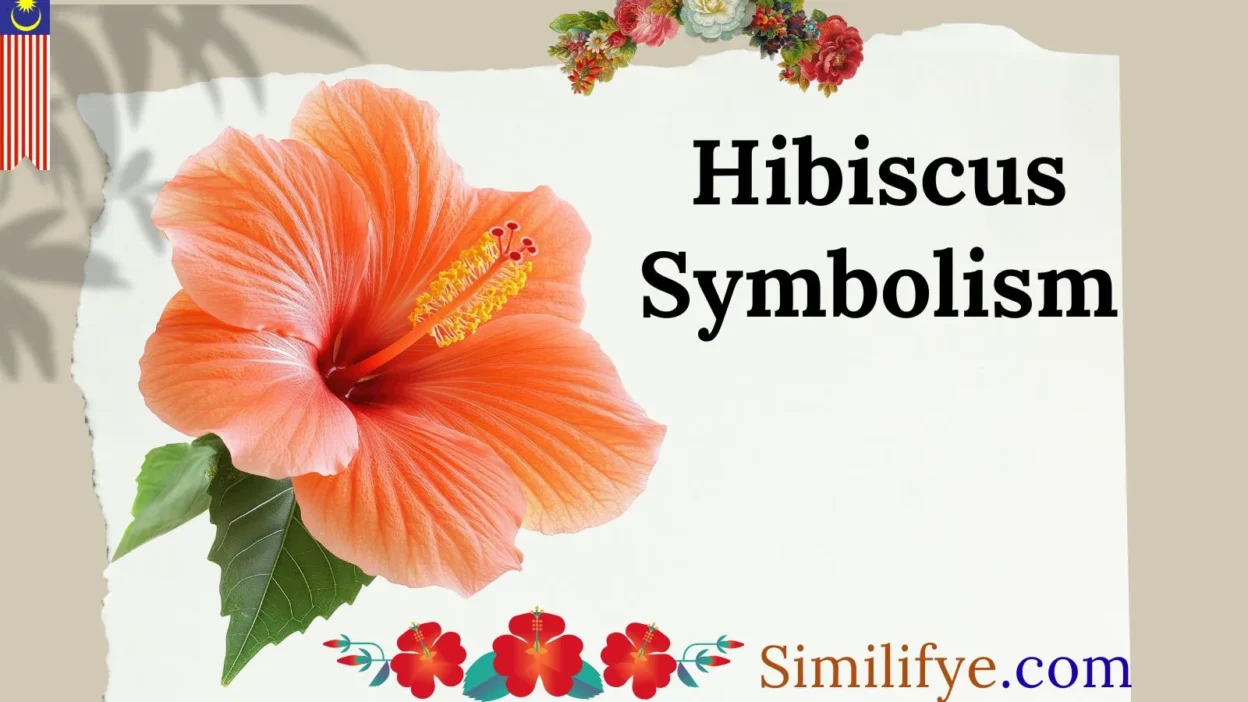
I still remember the first time I noticed a bright red hibiscus blooming outside my grandmother’s home.
It wasn’t just a flower—it felt like a messenger, whispering something deeper about love, beauty, and fleeting time.
Many people overlook flowers as simple decorations, but in truth, every bloom carries its own symbolism.
The hibiscus, with its bold colors and delicate petals, is more than just a tropical delight—it’s a spiritual sign, a reminder of emotions we often cannot put into words.
In this guide, we’ll explore the emotional and spiritual meanings behind hibiscus symbolism.
From red to white, from Japan to China, each color and culture gives the hibiscus a voice of its own.
Red Hibiscus Symbolism
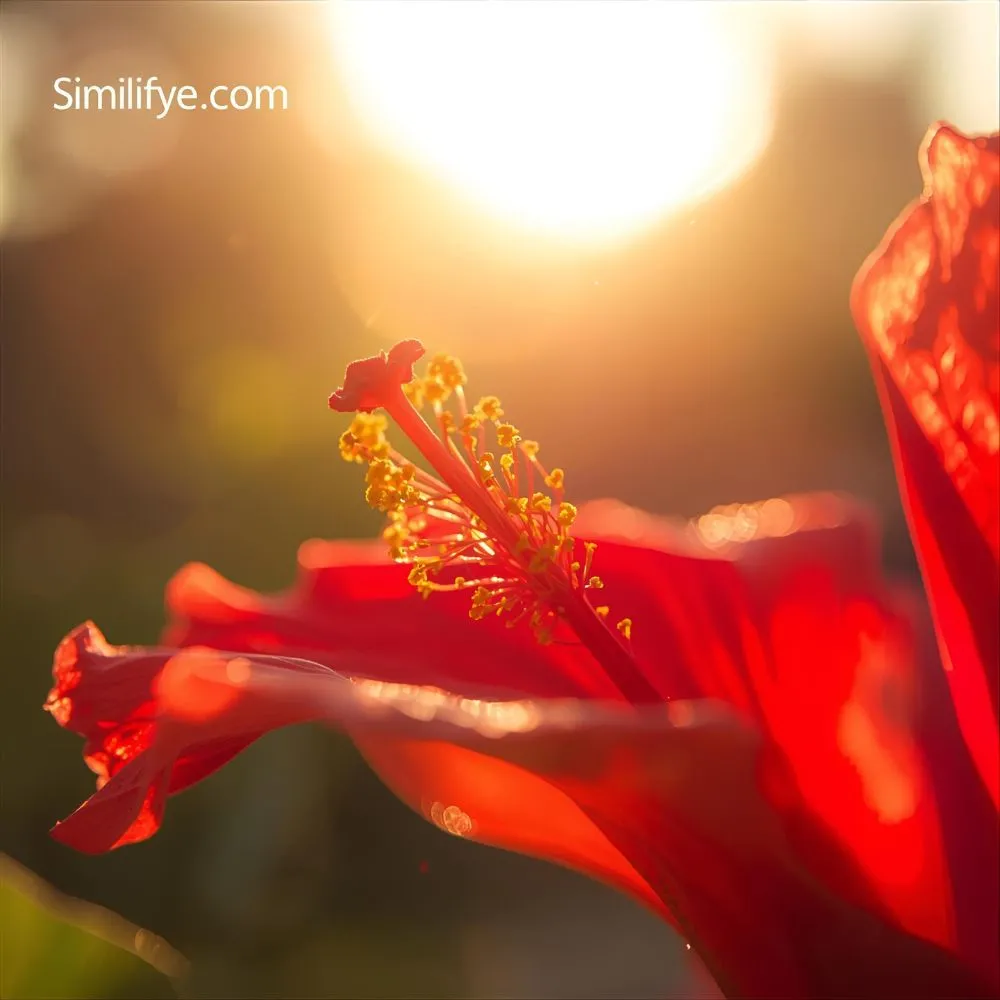
The red hibiscus is often linked with passion, romance, and deep desire. In many cultures, its fiery red petals are seen as symbols of love’s intensity.
- Spiritually, red hibiscus flowers remind us of the root chakra, which grounds us in passion and life force.
- Emotionally, they can represent attraction, devotion, and burning energy.
- In love rituals, people sometimes use red hibiscus tea or offerings to call in passion.
Seeing a red hibiscus may be a sign that love, or even a new passion project, is about to blossom in your life.
Pink Hibiscus Symbolism
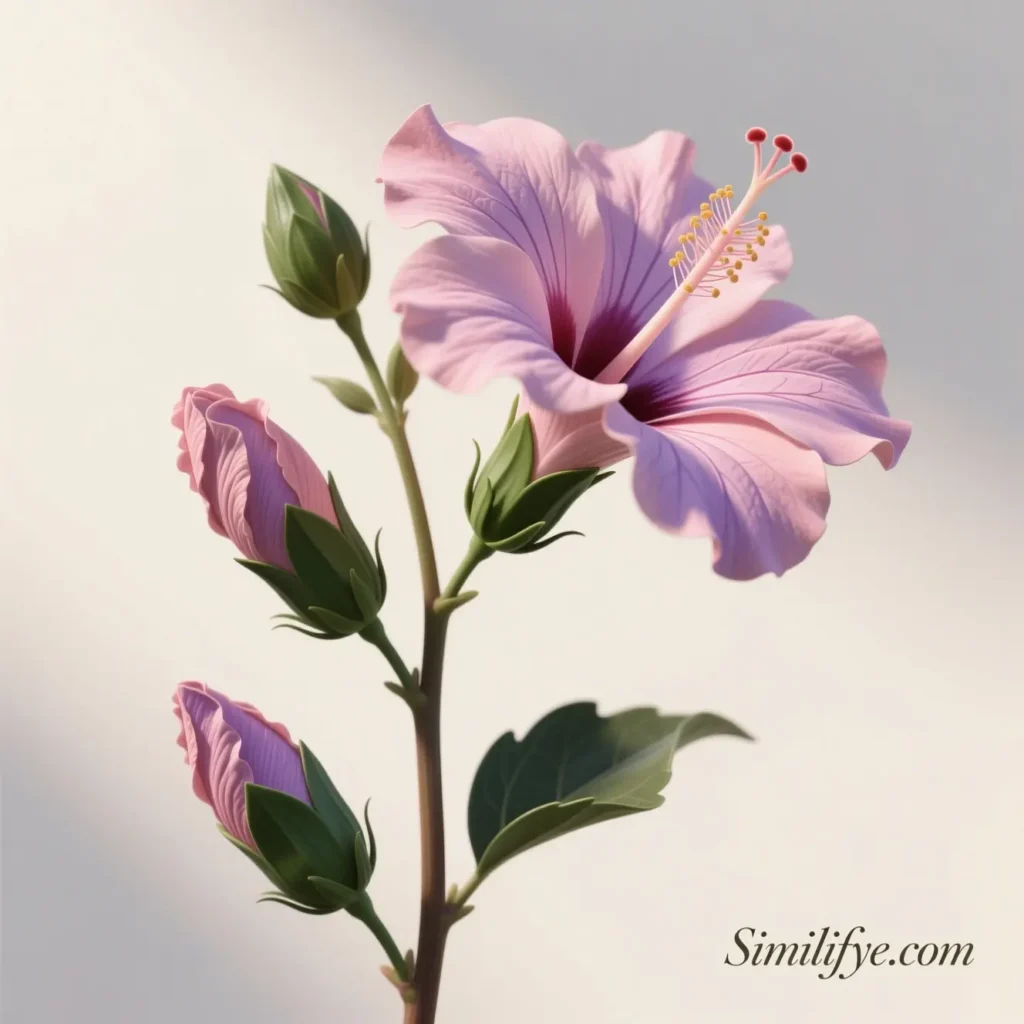
The pink hibiscus carries a softer energy. It speaks of gentle affection, kindness, and nurturing love.
- Pink flowers often symbolize innocence and care.
- Spiritually, they are reminders of self-love and compassion.
- They encourage you to heal emotional wounds and embrace gentleness.
When you notice a pink hibiscus, take it as a sign to soften your heart, forgive yourself, or share kindness with someone in need.
Purple Hibiscus Symbolism
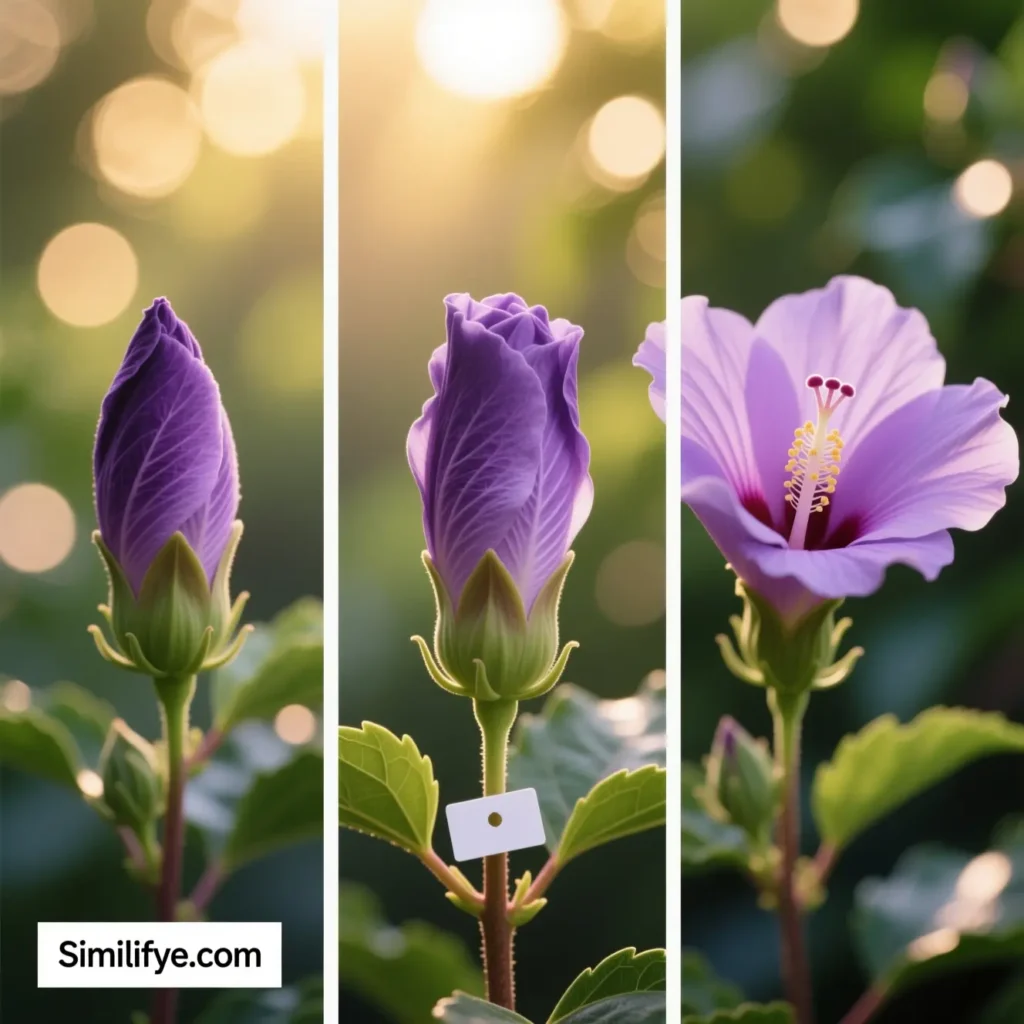
The purple hibiscus is rare, and so are its meanings. It is strongly tied to mystery, wisdom, and spiritual awakening.
- Purple hibiscus can symbolize higher consciousness and inner peace.
- Spiritually, it connects to the crown chakra, which is linked to divine wisdom.
- It can be a sign to trust your intuition and seek a deeper spiritual path.
If purple hibiscus appears in your life, it may mean a time of spiritual growth or transformation is near.
Yellow Hibiscus Symbolism
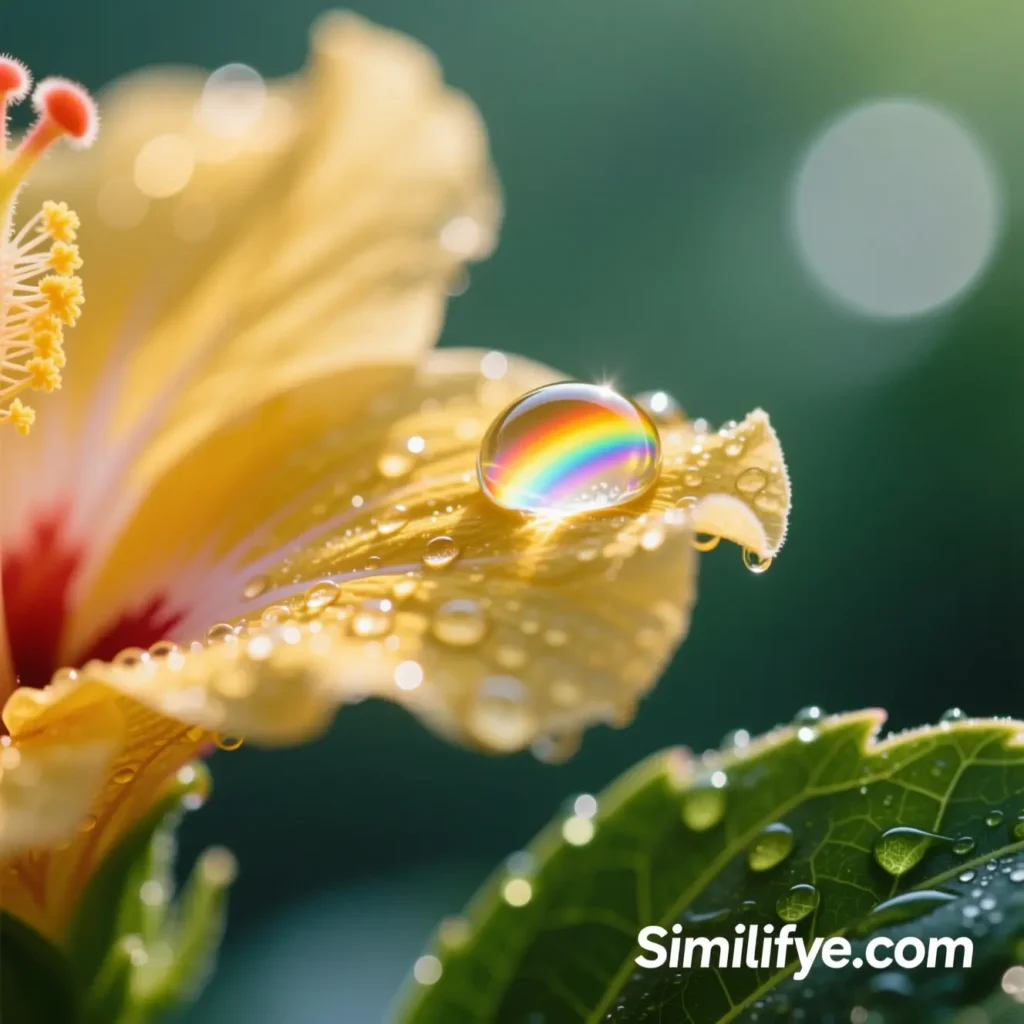
The yellow hibiscus shines with happiness, sunshine, and joy.
- It symbolizes friendship and positivity.
- Spiritually, yellow hibiscus is a reminder of the solar plexus chakra, tied to confidence and personal power.
- It’s often seen as a symbol of new beginnings, creativity, and optimism.
Spotting a yellow hibiscus can feel like a smile from the universe, telling you to embrace joy and share light with others.
White Hibiscus Symbolism
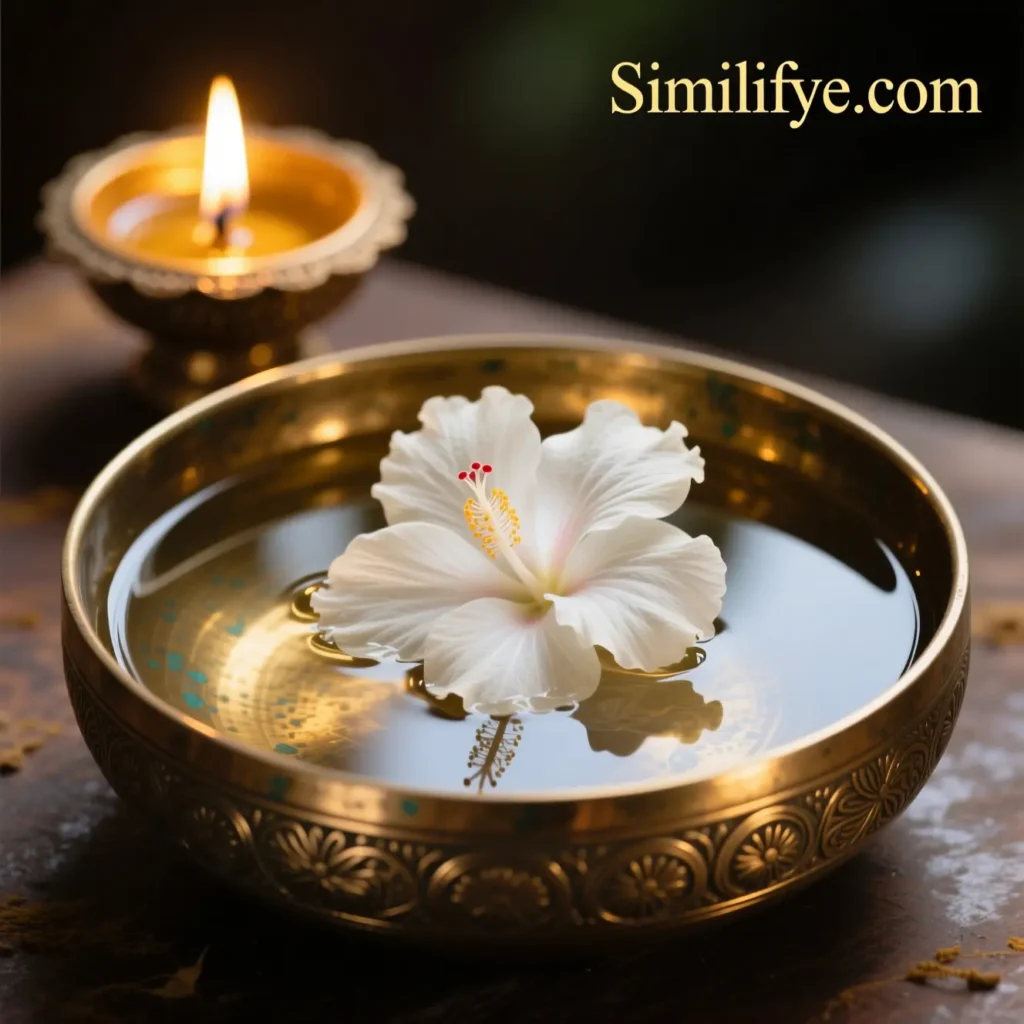
The white hibiscus is a symbol of purity, innocence, and spiritual clarity.
- It represents fresh starts and new journeys.
- Spiritually, it can signify cleansing and protection from negative energies.
- White hibiscus often shows up during times when you need peace, balance, and simplicity.
Seeing one can be a reminder to let go of heavy emotions and step into a calm and sacred state of being.
Blue Hibiscus Symbolism
Although rare, the blue hibiscus carries the energy of tranquility, communication, and truth.
- Spiritually, it resonates with the throat chakra, guiding honest expression.
- Blue hibiscus can symbolize calmness, loyalty, and spiritual depth.
- It may also be linked to dreams and the subconscious mind.
If blue hibiscus crosses your path, it could be an invitation to speak your truth or embrace peaceful thinking.
Orange Hibiscus Symbolism
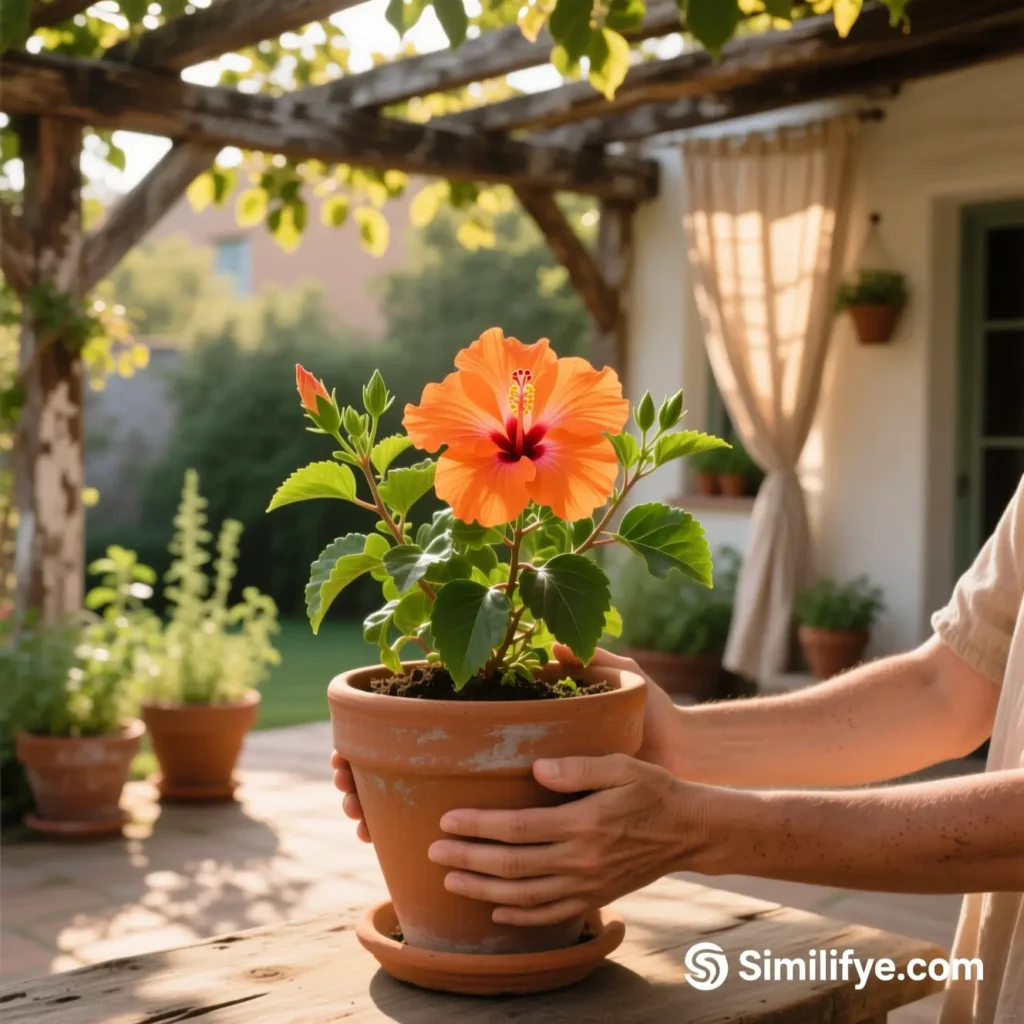
The orange hibiscus glows with creativity, enthusiasm, and excitement for life.
- It symbolizes energy, motivation, and passion for new adventures.
- Spiritually, orange hibiscus connects with the sacral chakra, the seat of creativity and sensuality.
- It may also encourage healing from emotional blockages.
Seeing an orange hibiscus is a sign to chase your dreams with boldness and let joy fuel your journey.
Hibiscus Symbolism in Japan
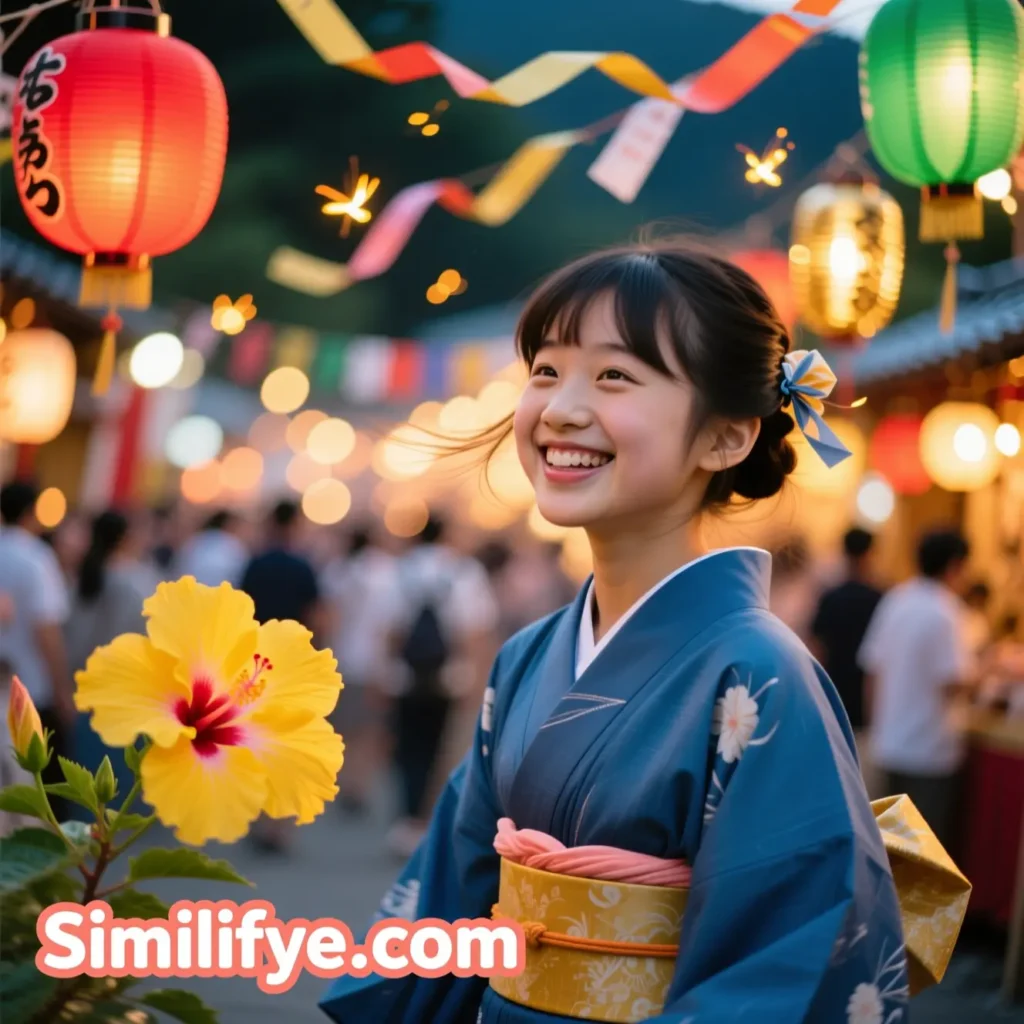
In Japan, the hibiscus is called “Hana O’ō”, which means delicate flower.
- It is often given as a symbol of friendship, kindness, and hospitality.
- The hibiscus in Japan doesn’t focus on romance—it reflects gentleness and open-heartedness.
- Spiritually, it is a reminder of the beauty found in simplicity and grace.
In Japanese culture, gifting a hibiscus shows you value the other person’s presence and warmth.
Chinese Hibiscus Symbolism
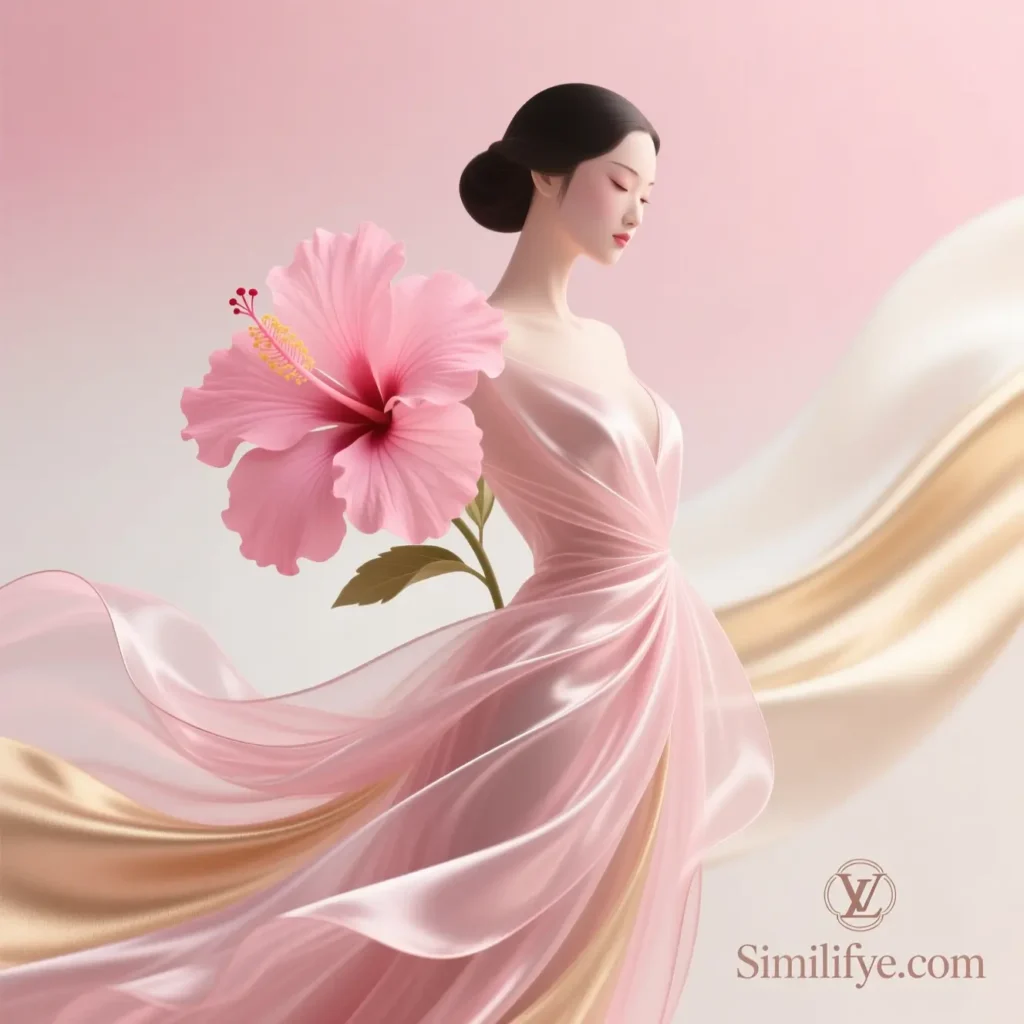
In China, the hibiscus carries rich meanings tied to fame, beauty, and glory.
- It is often gifted to honor someone’s success or achievements.
- Spiritually, it reflects the temporary yet powerful nature of life’s victories.
- The flower also symbolizes personal power and recognition.
A Chinese hibiscus reminds us to celebrate life’s wins, while also remembering that true beauty lies in the present moment.
Real-Life Short Scenarios
- A Garden Surprise: Maria walked into her backyard and noticed a single white hibiscus blooming. She felt an instant calm, as though life was reminding her to release her worries and trust in new beginnings.
- The Gift of Friendship: David received a bouquet with a yellow hibiscus from a close friend. At that moment, he realized their bond was more than friendship—it was a deep soul connection that brought him joy.
- A Spiritual Nudge: While on vacation, Aisha spotted a rare purple hibiscus. That evening, she meditated and felt a sudden clarity about her life purpose, as if the flower had whispered it directly to her soul.
FAQs
1. What does a hibiscus symbolize spiritually?
Spiritually, hibiscus flowers represent passion, love, transformation, and balance, depending on the color.
2. Is hibiscus a symbol of love?
Yes, especially red and pink hibiscus, which symbolize romance, affection, and emotional warmth.
3. What does a white hibiscus symbolize?
A white hibiscus represents purity, cleansing, and fresh starts, making it powerful for spiritual renewal.
4. What culture values hibiscus the most?
Both Japan and China hold hibiscus in high regard, but each with different symbolic meanings—friendship in Japan and glory in China.
5. Can seeing a hibiscus be a spiritual sign?
Yes. Many believe hibiscus flowers appear as spiritual reminders of love, growth, or emotional healing.
Conclusion
The hibiscus is not just a flower—it’s a mirror of life’s emotions. Its petals whisper messages of love, joy, wisdom, and renewal.
Whether you see it in red passion, yellow joy, or white purity, the hibiscus carries deep spiritual symbolism that guides you toward inner healing and growth.
If you find hibiscus crossing your path, pause and listen. It may just be life’s way of reminding you that you are surrounded by love, light, and spiritual beauty.

I’m Kazuo Ishiguro, an SEO strategist and storyteller with a love for meaningful digital content.
My goal is to make ideas discoverable while keeping them emotionally genuine.
On Similifye.com, I share SEO insights that blend empathy with precision to create content that truly resonates.


